How to keep your dog cool during a West Kent summer
 CharlotteFounder & pet carer
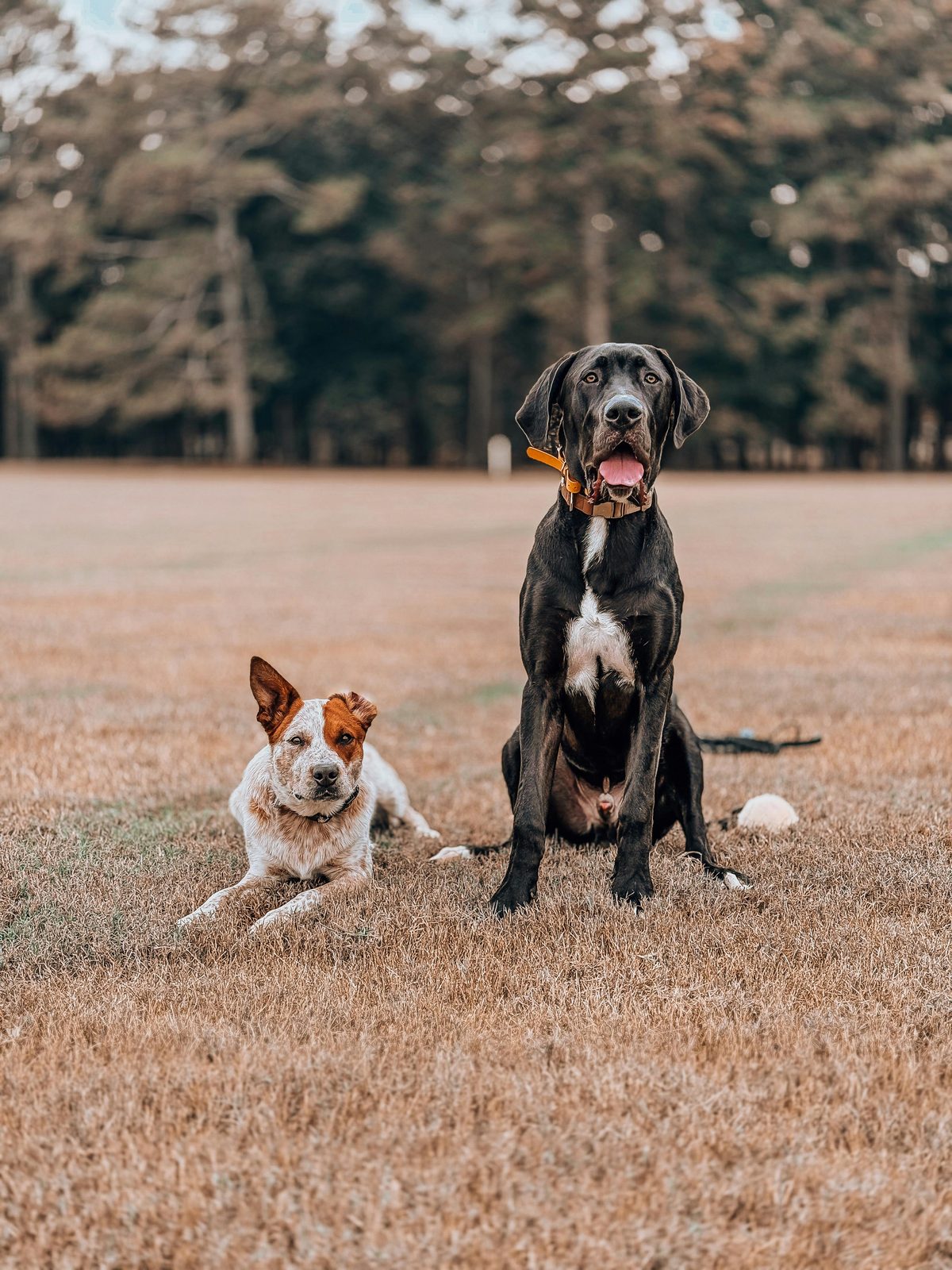
West Kent summers are gorgeous — but a sunny afternoon in Sevenoaks can climb higher than our dogs are built to handle. Unlike us, dogs can't sweat to cool down; they mostly pant, which only does so much when the air itself is warm. A few small habits make all the difference between a happy, relaxed dog and a genuinely poorly one.
Here's the calm, practical approach I use every day on visits — what to watch for, when to walk, the kit that actually helps, and the line in the sand that should never be crossed.
Spot the signs of overheating
Heatstroke comes on quietly, then quickly. The earlier you catch it, the easier it is to put right — so it pays to know your dog's "normal" panting and notice when it tips into something more. Mild signs you can act on at home include:
- Heavy, frantic panting that doesn't settle when they rest
- Drooling more than usual, with thick or sticky saliva
- A bright red tongue and gums, or glassy eyes
- Lagging behind, lying down and not wanting to move
Flat-faced breeds like pugs and bulldogs, older dogs, puppies and any dog carrying extra weight feel the heat far sooner — so give them an even wider margin on warm days.
Do the five-second pavement test before you set off: press the back of your hand flat to the ground for five seconds. If it's too hot for your hand, it's too hot for paw pads — pick a grassy route or wait until it cools.
Walk early or late — not midday
The simplest win of all is timing. On warm days I shift every dog walking visit to early morning or the cool of the evening, and keep the route shaded and gentle. A short sniffy amble around Otford in the cool beats a long midday march in full sun every single time — dogs get far more out of using their nose than racking up the steps.
If the day is a real scorcher, it's perfectly fine to skip the walk altogether and swap it for indoor games, a stuffed lick mat or some gentle training. A calm day at home is never a wasted one.
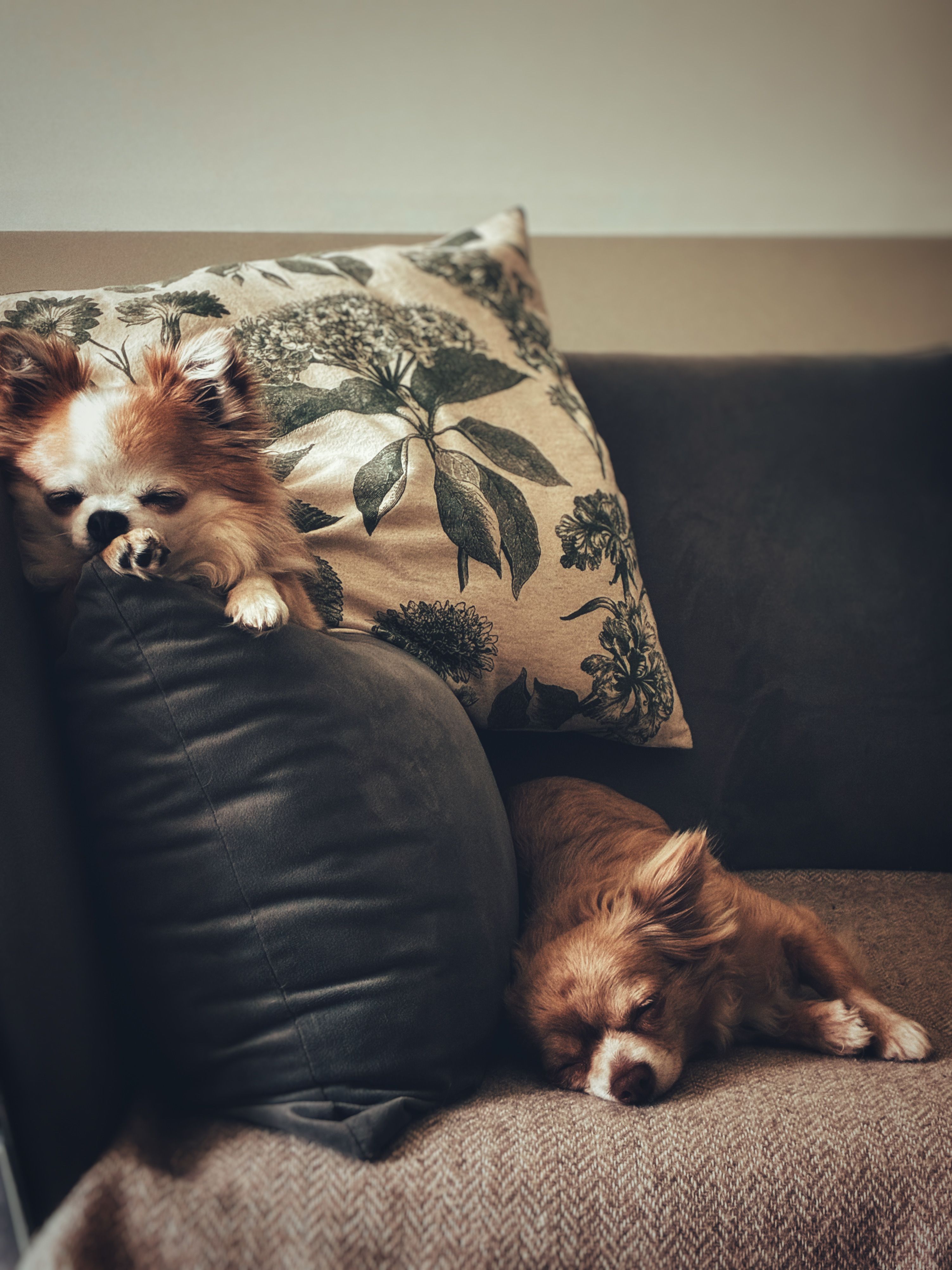
When it's truly hot, the kindest walk is often no walk at all — shade, water and a quiet afternoon do more good than any amount of exercise. — Charlotte
Water, shade & cooling kit
Fresh, cool water should always be within easy reach — I top up bowls on every visit and carry a collapsible travel bowl on walks. Move beds away from sunny windows, draw the blinds on the warm side of the house, and leave a clear, shaded spot where your dog can stretch out on the cool floor.
A few cheap bits genuinely help: a cooling mat your dog can choose to lie on, a damp towel laid over a tiled floor, a paddling pool of a few inches of water in the garden, or frozen treats and ice cubes in the water bowl. You don't need anything fancy — just options, so your dog can self-regulate and pick the coolest spot.
Never leave a dog in a car
This is the one rule with no exceptions. A car heats up frighteningly fast — even on a mild 22°C day, even parked in the shade with the windows cracked, the inside can reach dangerous temperatures within minutes. "Just popping into the shop" is long enough to do real harm.
If you ever see a dog in distress in a parked car, call 999 — the police would always rather you called than not. The same caution applies to conservatories, caravans and unshaded garden runs: anywhere the heat can build with nowhere to escape.
When to call the vet
If your dog seems badly affected — staggering, being sick, very lethargic or collapsing — treat it as an emergency. Move them somewhere cool and shaded, offer small amounts of water, and gently wet their coat with cool (not ice-cold) water while you ring your vet straight away. Cooling them on the way matters as much as getting there.
When in doubt, always phone. Vets would far rather reassure you over a five-minute call than see a dog that's left it too late. And if you'd like a steady, watchful pair of hands while you're out in the heat of the day, you're always welcome to book a meet & greet — I'll keep your dog cool, comfortable and sending you happy photo updates all summer long.